
Yes! Your Dietitian is recommending that you GET FAT. Not in the sense of gaining weight or body fat but assuring that each of our patients and our community is educated on the importance of incorporating healthy fats into their everyday diet.
Over the next couple of months, you will see posters, stickers, social media posts, and education materials encouraging adding healthy fats to your diet. This site will have new information to share each week so stay tuned…
The Science Behind the Fat
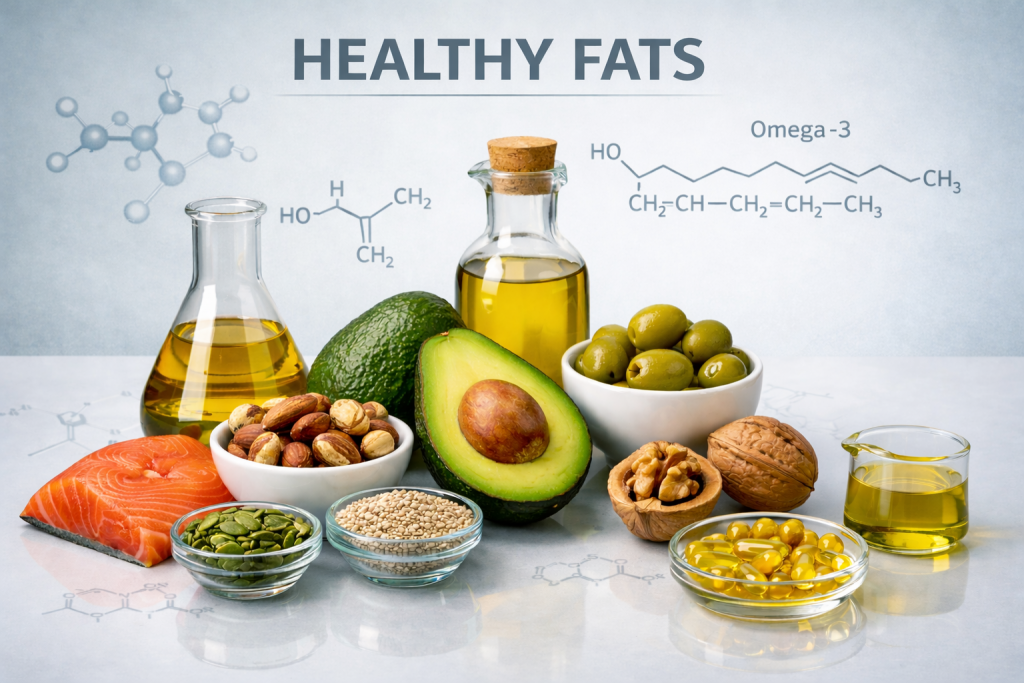
Why is fat an important part of person’s diet?
- Dietary fat is important for hormone health.
Your body needs fats—especially cholesterol and certain “essential” fatty acids—to make key hormones like estrogen, progesterone, testosterone, cortisol, and vitamin D (which functions as a hormone). If you don’t eat enough healthy fats, your body may have trouble producing these hormones properly. This can affect things like energy levels, metabolism, menstrual cycles or fertility, mood, and how well your body handles stress. - Some vitamins need fat to be absorbed properly.
Vitamins A, D, E, and K dissolve in fat, which means your body needs dietary fat to absorb and use them. If you don’t eat enough fat, you may not fully absorb these vitamins—even if you’re taking in enough of them—leading to low vitamin levels over time. Insufficient absorption of these vitamins can lead to many health problems including issues with your immune system, vision, reproduction, mood, muscles, bones, brain function, and cancer prevention. - Essential fatty acids are fats your body needs but can’t make on its own. (Omega-3 and Omega-6 fatty acids)
Because your body can’t produce them, you have to get them from food. These fats are important for building healthy cell membranes, supporting brain and nerve function, reducing inflammation, and helping make hormones and hormone-like signals. Getting enough essential fatty acids supports heart health, immune function, and overall metabolism. - The brain is made largely of fat.
About 60% of the brain’s dry weight comes from fat, making it the fattiest organ in the body. One important fat, called DHA (an omega-3 fatty acid), helps keep brain cell membranes flexible and healthy. This flexibility allows brain cells to communicate with each other more quickly and efficiently, supporting thinking, memory, and overall brain function. - Fat is a powerful and efficient source of energy.
Fat provides more energy per gram than protein or carbohydrates, which means your body can store a lot of energy in a small space. This stored fat is used to fuel long-lasting, lower-intensity activities like walking, daily movement, and endurance exercise.
Fat also helps support stable blood sugar levels. Eating fat with meals can slow digestion, improve how your body responds to insulin, and help prevent big spikes and crashes in blood sugar, which is important for metabolic and heart health.
- Fat helps you feel full and satisfied after meals.
Eating fat slows how quickly food leaves your stomach and triggers hormones that tell your brain you’ve had enough to eat. This helps control appetite, reduces constant hunger, and can make it easier to avoid overeating.
When fat comes from healthy sources, getting enough of it can make a balanced eating plan easier to stick with and support overall metabolic health.
- Not all fats affect your body the same way.
Some fats—like monounsaturated fats and omega-3s—help calm inflammation and support heart and overall health. Other fats, such as industrial trans fats and too much omega-6 from highly processed foods, can increase inflammation and stress the body.
How much fat should a person have in their diet?
The general population should aim to incorporate approximately 30% of their daily calories from fat with most of their fat coming from healthy fats.
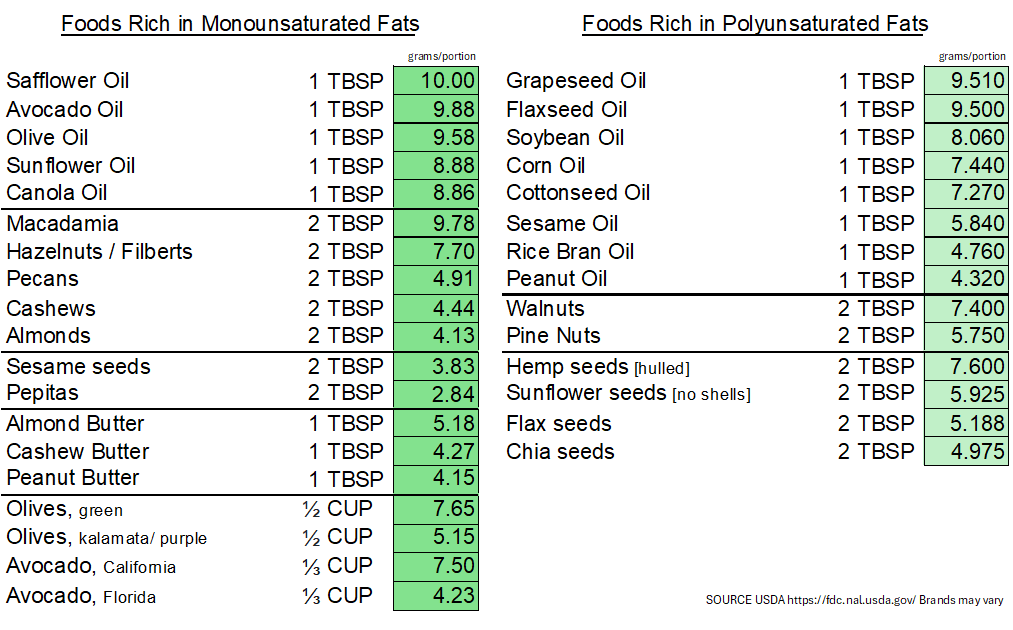
- Monounsaturated fats are healthy fats that should be at least 15% of one’s daily caloric intake. For example if someone’s diet consisting of 1600 calories, should include 27 grams of monounsaturated fats and of a 2000 calorie diet, 33 grams respectively.
- Polyunsaturated fats are also healthy fats but you only need approximately 5-9% of one’s daily calories from them. For example if someone’s diet consisting of 1600 calories, should include 12 grams of polyunsaturated fats and of a 2000 calorie diet, 16 grams respectively. Polyunsaturated fats include omega-3 and omega-6 fatty acids. These are essential fats that your body needs but cannot produce itself.
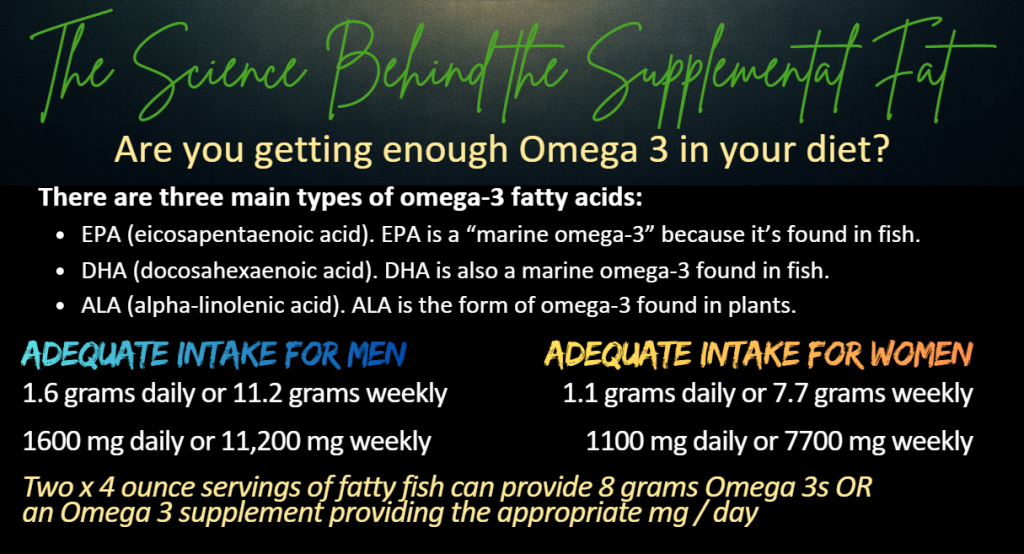
Scientists believe omega-3s are anti-inflammatory, while omega-6s are pro-inflammatory. Until 100 years ago, omega-3:omega-6 ratio was 1:4 meaning that omega-6s were four times as much as omega-3s in the diet. However, the current Western diet is now 10-20 times as much omega-6s to omega-3s. This is due to the increased amount of processed foods. This imbalance is associated with chronic inflammation in the body, increased allergies, and an increased tendency to form blood clots.
The goal is to increase omega-3s and decrease omega-6s by adding fatty fish like salmon, herring, lake trout, mackerel, albacore tuna, sardines, anchovies; adding walnuts; and adding like flax, chia, and hemp seeds; and decreasing vegetable/soybean, sunflower, safflower, and corn oils; limit excessive nuts and seeds, and decrease processed and fast foods.
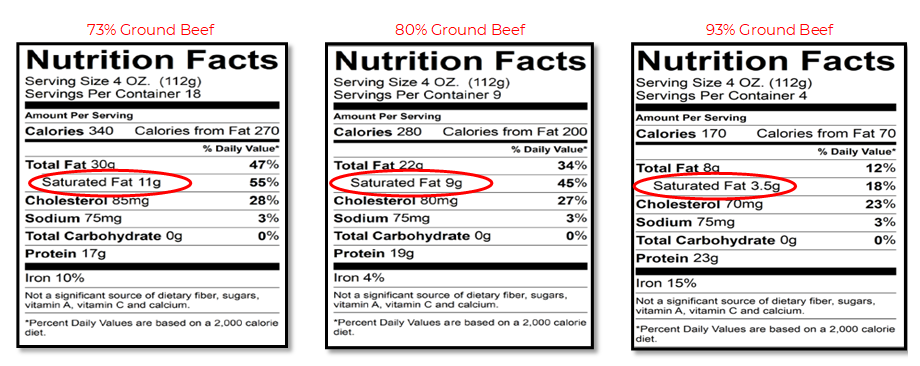
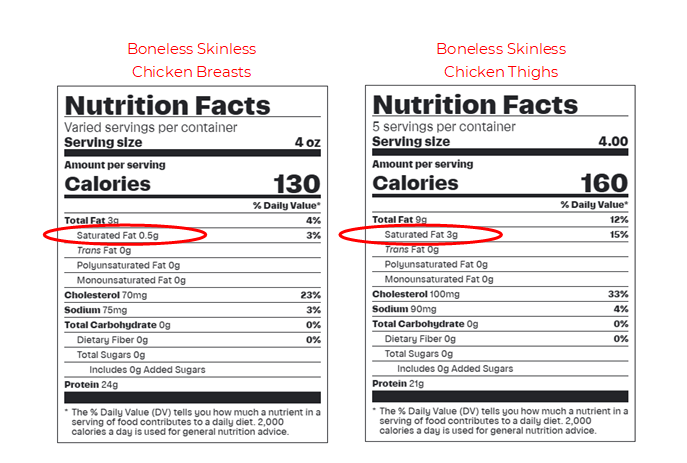
- Saturated fats are unhealthy fats that should be <10% of one’s daily caloric intake based on the Dietary Guidelines but should be restricted to <6% when there are cardiac risks. Saturated fats are often found in animal-based foods such as beef, pork, poultry, dairy, cheese, eggs, and tropical oils, such as coconut and palm oil.
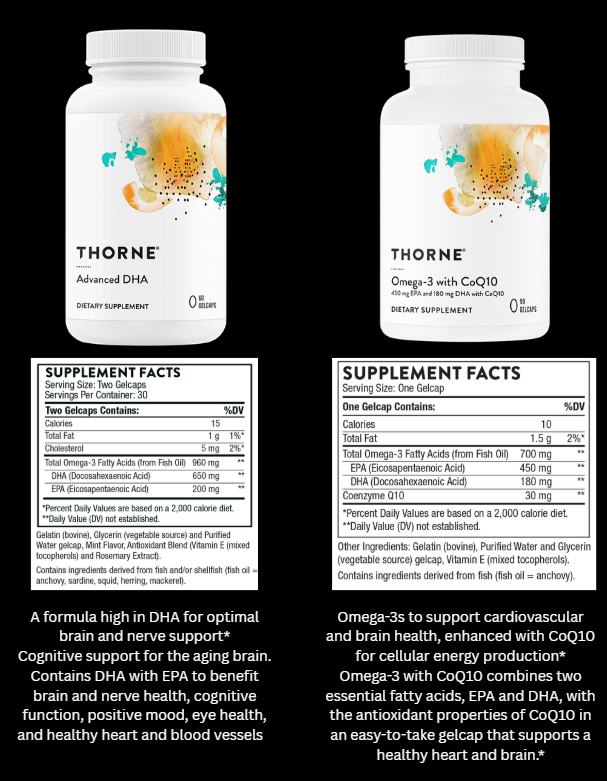
What if you are not able to get enough omega-3s? SUPPLEMENT